How to check your blood glucose levels?
Finger-pricking
This is how you find out what your blood sugar level is at that moment in time. It’s a snapshot.
Your healthcare team will show you how to do the test and it’s important that you’re taught how to do it properly – otherwise you could get the wrong results.
For some people, finger-prick testing isn’t a problem and it quickly becomes part of their normal routine. For others, it can be a stressful experience, and that’s totally understandable. Knowing all the facts and speaking to other people can help – contact our helpline or chat to others with diabetes on our online forum. They’ve been through it too and will understand your worries.
You’ll need these things to do the test:
- a blood glucose meter
- a finger prick device
- a some test strips
- a lancet (a very short, fine needle)
- a sharps bin, so you can throw the needles away safely.
If you’re missing one of these, speak to your healthcare team.
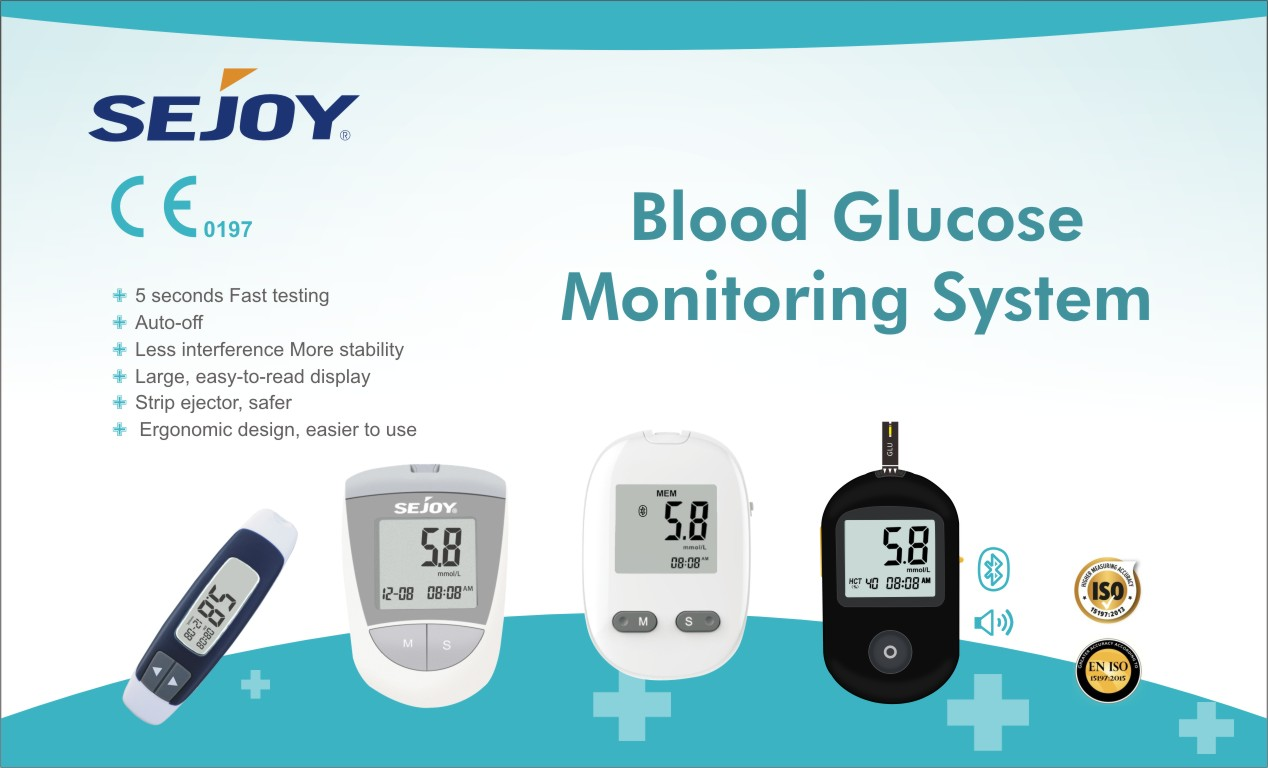
Glucometers only need a drop of blood. The meters are small enough to travel with or fit in a purse. You can use one anywhere.
Each device comes with an instruction manual. And typically, a healthcare provider will go over your new glucometer with you too. This may be an endocrinologist or a certified diabetic educator (CDE), a professional who can also help develop an individualized care plan, create meal plans, answer questions about managing your disease, and more.4
These are general instructions and may not be accurate for all glucometer models. For example, while the fingers are the most common sites to use, some glucometers allow you to use your thigh, forearm, or the fleshy part of your hand. Check your manual before using the device.
Before You Start
- Prepare what you need and wash up before drawing blood:
- Set out your supplies
- Wash your hands or clean them with the alcohol pad. This helps prevent infection and removes food residue that might alter your results.
- Allow the skin to dry completely. Moisture can dilute a blood sample taken from the finger. Don’t blow on your skin to dry it, as that can introduce germs.

Getting and Testing a Sample
- This process is quick, but doing it right will help you avoid having to re-stick yourself.
- Turn on the glucometer. This is usually done by inserting a test strip. The glucometer screen will tell you when it’s time to put blood on the strip.
- Use the lancing device to pierce the side of your finger, next to the fingernail (or another recommended location). This hurts less than lancing the pads of your fingers.
- Squeeze your finger until it has produced a sufficent-size drop.
- Place the drop of blood on the strip.
- Blot your finger with the alcohol prep pad to stop the bleeding.
- Wait a few moments for the glucometer to generate a reading.
- If you often have trouble getting a good blood sample, warm your hands with running water or by rubbing them briskly together. Be sure they are dry again before you stick yourself.
Recording Your Results
Keeping a log of your results makes it easier for you and your healthcare provider to build a treatment plan.
You can do this on paper, but smartphone apps that sync with glucometers make this very easy. Some devices even record readings on the monitors themselves.
Follow your doctor’s orders for what to do based on the blood sugar reading. That may include using insulin to bring your level down or eating carbohydrates to bring it up.